Managing Fish During Spawning Season in Texas Ponds
Spawning season is one of the most important times for maintaining healthy fish populations in Texas ponds. With warmer temperatures and longer growing seasons, proper pond management during this period plays a major role in fish survival, reproduction success, and long-term balance.
Whether you manage a ranch pond, HOA lake, or recreational fishery, protecting fish during spawning season is key to improving overall pond health.
Why Spawning Season Matters in Texas
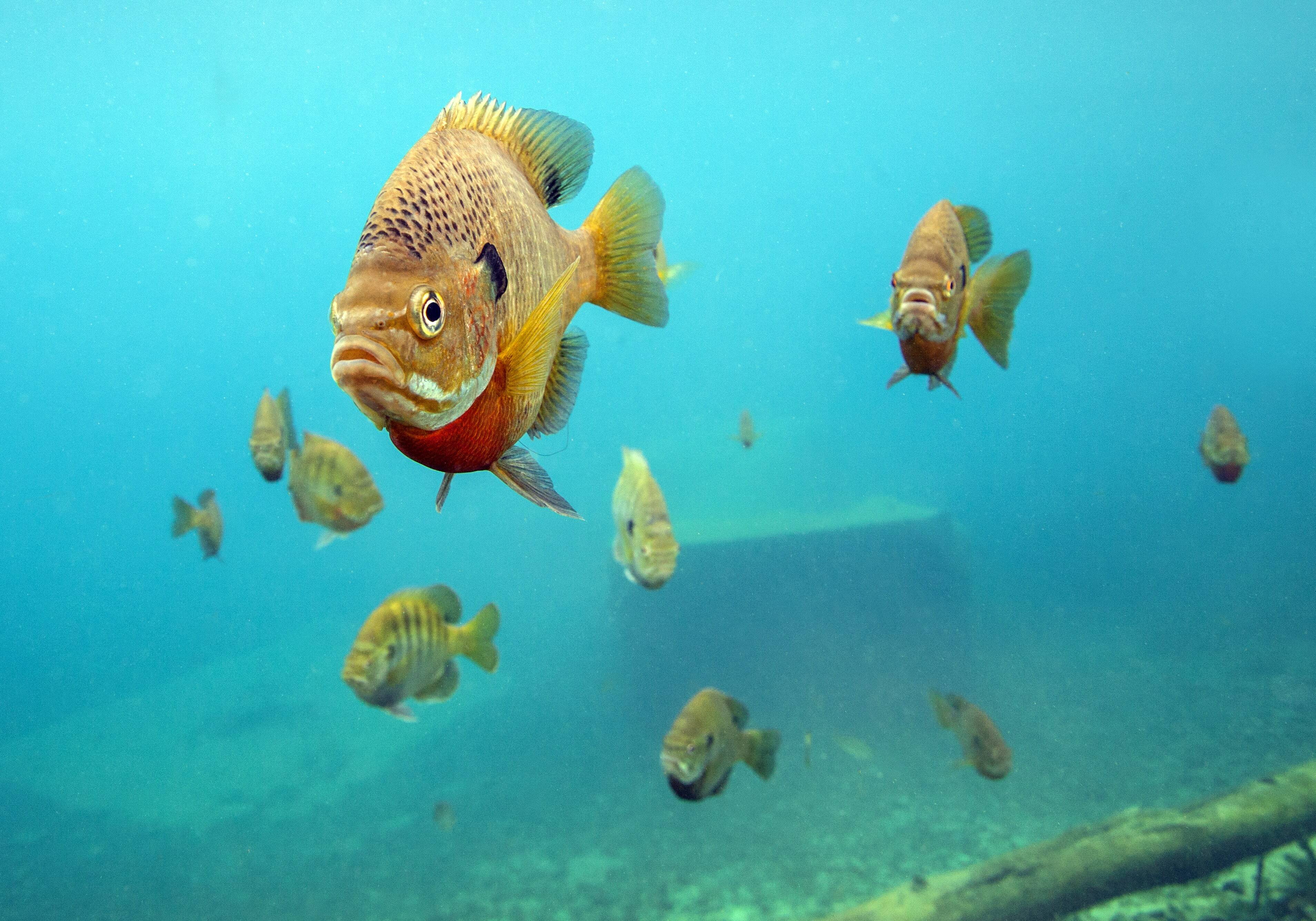
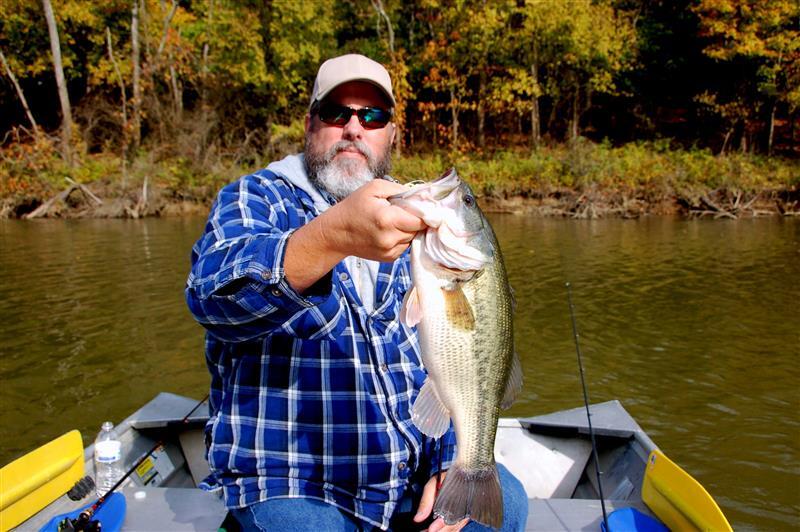
Texas ponds warm up earlier in the year, which means fish begin spawning sooner and often spawn multiple times throughout the season. Species like largemouth bass and bluegill rely on stable conditions to successfully reproduce.
When spawning is disrupted by poor water quality, habitat loss, or excessive fishing pressure, it can lead to weak fish populations and long-term imbalance.
Proper management during this time helps improve survival rates, strengthen fish populations, and support a more productive pond ecosystem.
When Fish Spawn in Texas Ponds
Because of the Texas climate, spawning typically begins in early spring and can extend into summer depending on water temperature.
-
Largemouth bass begin spawning around 60–75°F
-
Bluegill and sunfish spawn from 65–80°F and may spawn multiple times
-
Channel catfish spawn in late spring to early summer
Monitoring water temperature is one of the most effective ways to track spawning activity in your pond.
Best Practices for Texas Pond Management During Spawning
Protect Spawning Habitat
Fish need stable, shallow areas with the right structure to lay and protect their eggs. In Texas ponds, this often includes areas with light vegetation, firm bottom substrate, or added structure.
Improving habitat can be as simple as maintaining moderate vegetation, adding gravel beds, or installing fish attractors. It’s also important to control shoreline erosion, which is common during heavy rains and drought cycles, as sediment can cover and damage fish nests.
Reduce Disturbance
Spawning fish are highly sensitive to disruption. Largemouth bass, in particular, guard their nests and may abandon them if stressed.
Reducing fishing pressure in shallow areas during peak spawning and limiting shoreline activity can significantly improve spawning success. Even small disturbances can impact egg survival and fry development.
Maintain Water Quality
Water quality is one of the biggest factors affecting spawning success in Texas ponds. Warmer temperatures can lower oxygen levels and increase the risk of algae blooms.
Focus on maintaining:
-
Dissolved oxygen levels above 5 mg/L
-
Reduced nutrient runoff from fertilizers and surrounding land
Aeration systems are especially beneficial in Texas, helping stabilize oxygen levels and improve overall pond health during warmer months.
Manage Fish Populations
Balanced fish populations are essential for successful spawning and long-term pond health. Predator species like bass help control forage fish, while species like bluegill provide necessary food sources.
Avoid overharvesting key species and monitor fish sizes and numbers regularly. If needed, stocking adjustments can help restore balance and improve spawning outcomes.
Control Vegetation Carefully
Aquatic vegetation plays an important role in spawning, but too much can create problems. The goal is to maintain enough coverage to support fish without overwhelming the pond.
A general target is around 20–30% vegetation coverage. Avoid large-scale herbicide treatments during spawning season, as this can disrupt fish and reduce available habitat.
Common Mistakes to Avoid
Many Texas pond owners unknowingly impact spawning success through routine management decisions. Some of the most common issues include overfishing during spawning season, sudden water level changes from irrigation or drought, and excessive use of herbicides or algaecides.
Paying attention to these factors can make a significant difference in long-term pond health.
Long-Term Benefits of Proper Spawning Management
When you actively manage your pond during spawning season, you set the foundation for a healthier and more productive fishery.
You’ll typically see stronger fish populations, better fishing quality, and reduced need for corrective stocking. Over time, this leads to a more balanced and sustainable pond ecosystem.
Work with Texas Pond Management Experts
Spawning season is one of the most impactful times to manage your pond. By focusing on habitat, water quality, and fish balance, you can significantly improve results.
Aquatic Features provides expert Texas pond management services, including aeration, vegetation control, and fish stocking. A customized management plan can help you get the most out of your pond year-round.
About Aquatic Features — A Jones Lake Management Partner
Aquatic Features is a trusted provider of comprehensive, science-based lake and pond management services across Texas. Based in Austin, TX, we deliver sustainable solutions to improve water quality, enhance aesthetics, and maintain healthy, high-performing aquatic systems. As a Jones Lake Management Partner, we offer services including aquatic weed and algae control, water quality monitoring, aeration and circulation systems, fountain and water feature maintenance, fisheries management and fish stocking, invasive species control, shoreline stabilization and restoration, sediment management and hydraulic dredging, wetland management, and habitat enhancement. We serve HOAs, municipalities, commercial properties, golf courses, and private lake owners with customized, results-driven programs designed for long-term ecological health and visual appeal. Visit us at www.aquaticfeaturesinc.com