Lakes and ponds around Austin and throughout Texas are vital for recreation, irrigation, stormwater management, and wildlife habitat. From HOA communities and golf courses to private ranches and municipal water features, these waterbodies support both environmental and economic value. However, aquatic invasive species in Austin-area lakes and ponds are threatening water quality, native ecosystems, and property values.
For property managers, homeowners associations, golf courses, municipalities, and private landowners, knowing what to watch for is the first step in protecting your waterbody.
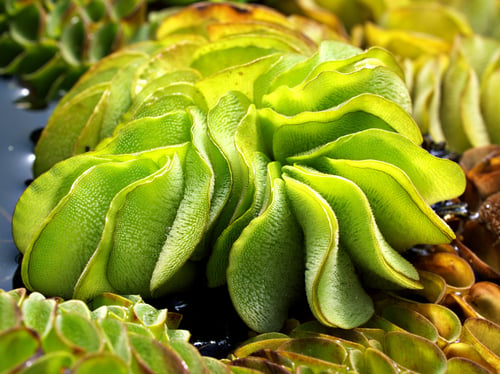
Giant Salvinia (Salvinia molesta)
Giant Salvinia is one of the most aggressive aquatic invasive plants in Central Texas. This floating fern can double in size in just a week under ideal conditions. Dense mats block sunlight, reduce oxygen, and can devastate fish populations.
Signs to watch for:
- Floating mats of small, oval leaves
- Thick, carpet-like surface coverage
- Rapid spread across calm water
Early detection and professional lake and pond weed control in Austin are essential to prevent widespread infestation.
Hydrilla (Hydrilla verticillata)
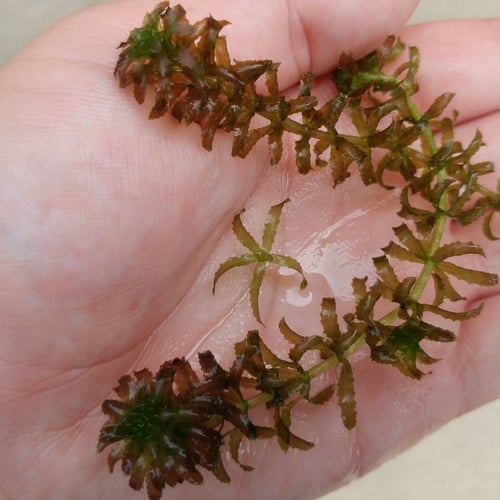
Hydrilla is a submerged invasive plant that grows rapidly in lakes and ponds, forming dense underwater forests that interfere with boating, fishing, irrigation, and general water use.
While hydrilla can sometimes provide fish habitat, uncontrolled growth reduces water flow and oxygen levels when plants die off.
Hydrilla identification tips:
- Submerged stems with whorled leaves
- Serrated leaf edges
- Thick underwater growth reaching the surface
Professional pond and lake vegetation management in Texas helps balance beneficial habitat with recreational and functional usability.
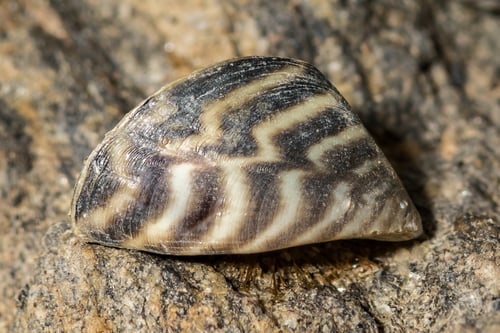
Zebra Mussels (Dreissena polymorpha)
Zebra mussels are small freshwater shellfish that attach to hard surfaces such as docks, boats, intake pipes, and aeration systems. They reproduce rapidly and have begun spreading in Central Texas lakes and ponds.
Zebra mussels can:
- Clog municipal and irrigation systems
- Damage boats, docks, and infrastructure
- Outcompete native mussel species
Prevention is critical. Routine inspections and lake and pond maintenance programs reduce the risk of introduction and spread.
Why Aquatic Invasive Species Are a Growing Problem
Central Texas’ warm climate, long growing season, and nutrient-rich runoff create ideal conditions for invasive species. Heavy recreational use, development along shorelines, and diverse water use make lakes and ponds especially vulnerable.
Without proactive lake and pond management in Austin, invasive species can:
- Reduce property values
- Harm fish populations
- Limit recreational and functional access
- Increase long-term restoration costs
Routine monitoring, early detection, and integrated aquatic management strategies are key to protecting your investment.
Protecting Your Austin-Area Lakes and Ponds
Whether you manage HOA ponds, golf course water features, municipal lakes, commercial property ponds, or private ranch waterbodies, professional inspections and management are critical. Partnering with a local aquatic management company ensures:
- Accurate invasive species identification
- Targeted aquatic herbicide applications
- Mechanical and biological control options
- Long-term water quality improvement
At Aquatic Features, we specialize in Austin-area lake and pond management, pond weed control, and aquatic invasive species treatment. Our science-based approach preserves water quality while maintaining recreation, irrigation, and wildlife habitat.
If you suspect invasive aquatic plants or zebra mussels in your lake or pond, early action makes all the difference. Contact Aquatic Features today to schedule a professional Austin-area waterbody assessment and keep your lakes and ponds healthy year-round.
About Aquatic Features — A Jones Lake Management Partner